
Introduction
Facility cleaning plays a critical role in maintaining safe, healthy, and productive environments across commercial, industrial, and institutional spaces. In the Philippines, businesses are placing greater importance on workplace hygiene, sanitation standards, and operational cleanliness to support employee well-being, regulatory compliance, and business continuity.
Professional facility cleaning goes beyond routine housekeeping. It involves structured cleaning systems, sanitation procedures, and preventive hygiene practices designed to maintain operational efficiency while reducing contamination risks in shared environments.
According to the Centers for Disease Control and Prevention (CDC) , proper cleaning and disinfection practices help minimize the spread of germs, bacteria, and viruses in workplaces and public facilities.
As hygiene expectations continue to rise, organizations require more reliable and standards-driven facility cleaning programs that support workplace safety, operational efficiency, and long-term asset preservation.
Why Facility Cleaning Matters
Health and Safety Protection
Professional facility cleaning helps reduce health risks by maintaining cleaner environments and minimizing the buildup of dirt, contaminants, and harmful microorganisms in high-traffic areas.
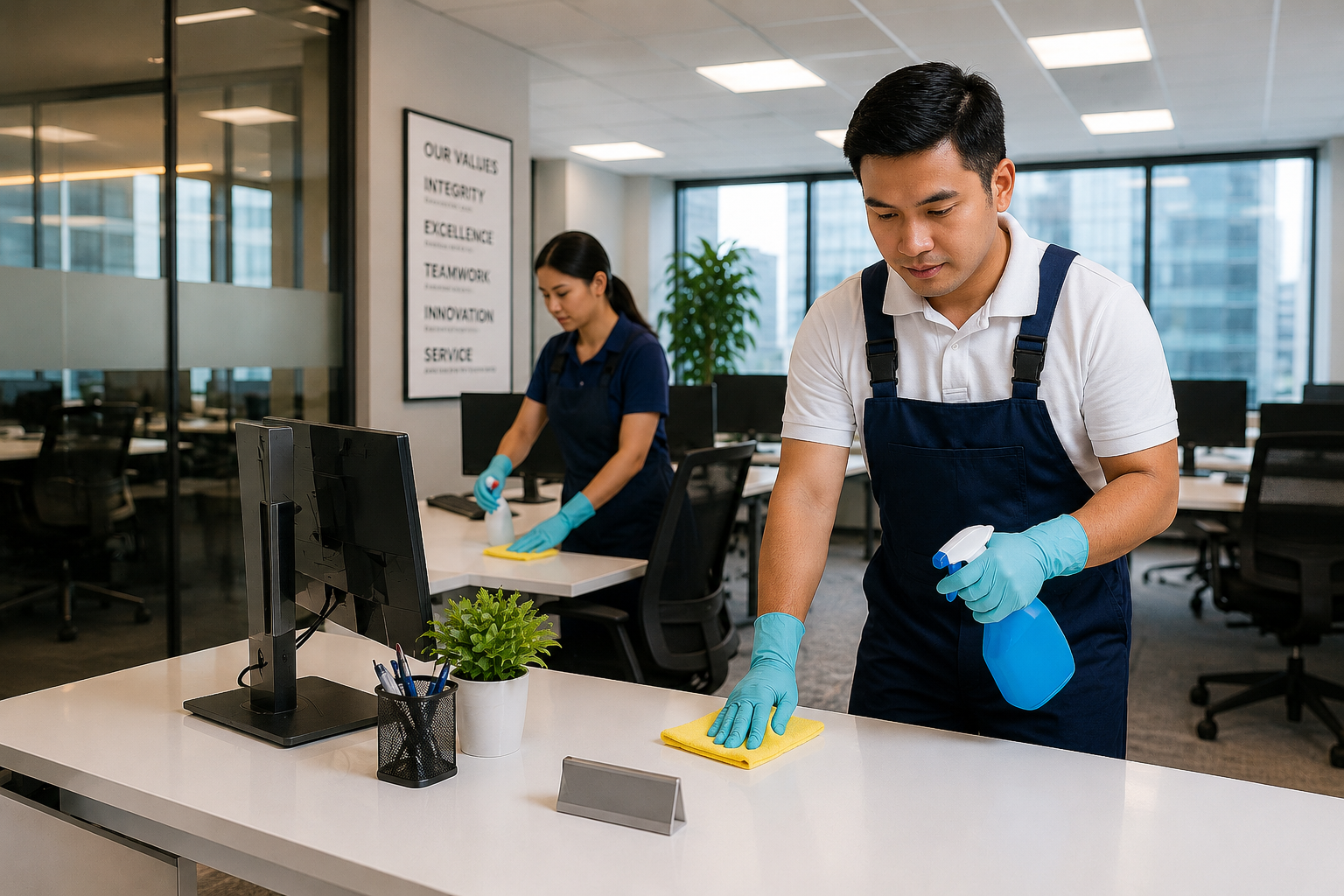
Routine sanitation of workstations, common areas, elevators, restrooms, and shared equipment supports safer workplace conditions for employees and visitors.
Improved Workplace Productivity
Clean and organized facilities create environments that support focus, comfort, and employee morale. Employees tend to perform more efficiently in workplaces that are professionally maintained and hygienic.
The Occupational Safety and Health Administration (OSHA) emphasizes the importance of maintaining safe and sanitary workplace environments to support employee well-being and operational efficiency.
Enhanced Professional Image
Facility cleanliness strongly influences how customers, clients, and business partners perceive an organization. Well-maintained environments reflect professionalism, operational discipline, and commitment to quality standards.
Asset Protection and Longevity
Regular facility cleaning helps preserve office furniture, flooring, carpets, fixtures, and workplace equipment by preventing excessive dirt buildup, moisture damage, and premature wear.
Regulatory Compliance
Businesses operating in the Philippines are expected to maintain sanitation and workplace safety standards that comply with local health and operational regulations.
Structured cleaning programs help organizations maintain cleaner, safer, and more compliant facilities.
Types of Facility Cleaning Services
General Facility Cleaning
Daily cleaning services typically include sweeping, mopping, vacuuming, dusting, trash collection, and sanitation of common workplace areas.
Disinfection Services
High-touch surfaces such as desks, door handles, elevator buttons, shared equipment, and meeting spaces require routine disinfection to reduce contamination risks.
Deep Cleaning Services
Deep cleaning targets areas that require more intensive sanitation, including carpets, upholstery, hard-to-reach surfaces, and high-traffic operational zones.
Restroom and Pantry Sanitation
Restrooms, pantry facilities, and food preparation areas require focused sanitation protocols to maintain hygiene standards and employee comfort.
Eco-Friendly Cleaning Practices
Many organizations are now adopting environmentally responsible cleaning methods using eco-friendly products and sustainable waste management practices.
Key Areas That Require Routine Facility Cleaning
- Reception and lobby areas
- Office workstations and meeting rooms
- Elevators and stairways
- Restrooms and pantry facilities
- Shared office equipment
- High-traffic corridors and walkways
- Commercial and industrial operational spaces
Consistent cleaning across these areas helps maintain safer and more organized environments while supporting operational continuity.
How Technology Supports Modern Facility Cleaning
Modern facility cleaning programs increasingly utilize digital tools and monitoring systems to improve efficiency, consistency, and accountability.
Common technologies used in facility operations include:
- Digital inspection checklists
- Computerized Maintenance Management Systems (CMMS)
- Scheduled task monitoring systems
- Inventory tracking for cleaning supplies
- Performance reporting and quality audits
These technologies help ensure cleaning operations remain structured, measurable, and responsive to workplace needs.
XISCO’s Approach to Facility Cleaning Excellence
XISCO supports businesses through standards-driven facility cleaning systems designed to improve hygiene, operational efficiency, and workplace safety.
TESDA-Recognized Cleaning Competency Training
XISCO develops cleaning personnel through a TESDA-recognized competency framework aligned with:
Facility Cleaning & Disinfecting Level II
This training helps ensure personnel follow proper sanitation procedures, workplace safety standards, and structured operational practices.
Learn more about the Technical Education and Skills Development Authority (TESDA) .
Structured Operational Processes
XISCO implements SOP-driven cleaning systems, inspection protocols, and quality assurance procedures to maintain consistent cleaning standards across facilities.
Integrated Facility Management Expertise
Facility cleaning works best when integrated with broader operational support systems such as maintenance, property management, and workplace safety programs.
Learn more about our:
- Cleaning Services
- Integrated Facility Management Solutions
- Facility Management Services
- Property Management Services
- Technical Services
Industries That Benefit from Professional Facility Cleaning
- BPO and IT Facilities
- Finance and Banking Institutions
- Commercial and Real Estate Properties
- Industrial and Manufacturing Facilities
Conclusion
Facility cleaning is an essential part of maintaining safe, productive, and professionally managed environments. Organizations that prioritize workplace hygiene create healthier spaces that support employee well-being, operational efficiency, and stronger business performance.
Through structured operational systems, TESDA-recognized workforce training, and integrated facility management expertise, XISCO helps businesses maintain cleaner, safer, and more efficient facilities across the Philippines.
Ready to improve workplace hygiene and facility standards?
Contact XISCO today to learn more about professional facility cleaning solutions tailored to your operational needs.
Frequently Asked Questions
What is facility cleaning?
Facility cleaning involves structured cleaning and sanitation processes designed to maintain hygiene, safety, and operational cleanliness across workplaces and commercial facilities.
Why is facility cleaning important?
Facility cleaning helps reduce contamination risks, improve workplace safety, protect assets, support employee well-being, and maintain professional business environments.
What areas should be included in facility cleaning programs?
Facility cleaning programs should include workstations, restrooms, reception areas, elevators, meeting rooms, pantry facilities, corridors, and other high-traffic operational spaces.
How often should facilities be cleaned?
Cleaning frequency depends on facility size, operational requirements, employee traffic, and industry standards. High-touch and high-traffic areas often require daily cleaning and disinfection.
What industries require professional facility cleaning?
Professional facility cleaning is essential for offices, BPOs, banks, commercial properties, industrial facilities, healthcare environments, and institutional spaces.
How does XISCO maintain cleaning quality?
XISCO maintains cleaning quality through TESDA-recognized training systems, SOP-driven operations, structured inspections, and continuous quality assurance processes.